

Magnesium is an essential mineral that plays a vital role in keeping our bodies functioning at their best. From supporting muscle and nerve function to maintaining healthy bones and boosting energy production, magnesium is involved in over 300 biochemical reactions1 in the body. However, despite its importance, many people struggle to get enough magnesium through their diet, leading to potential deficiencies2 that can affect overall health.
The good news is that there are plenty of delicious and nutritious foods rich in magnesium that can help you meet your daily needs. In this guide, we’ll explore the top 10 magnesium-rich foods that you can easily incorporate into your meals. Whether you’re looking to boost your energy, support your muscles, or simply maintain a balanced diet, these foods are packed with the magnesium your body craves.
Let’s dive into the best sources of magnesium and discover how they can benefit your health.
What Are the Healthiest Magnesium-Rich Foods?
A quick look at the healthiest magnesium-rich foods:
| Food | Notes | Magnesium per 100g (mg) |
|---|---|---|
| Nuts | Brazil nuts, cashews, and almonds offer impressive amounts of magnesium, making them one of the best sources. | 410mg |
| Seeds | Flaxseed, sesame, and sunflower seeds are tiny but mighty, packing a potent magnesium punch. | 392mg |
| Legumes | Dried soybeans are the standout in this category, offering a substantial magnesium boost. | 250mg |
| Dark Chocolate | Dark chocolate (70%+ cocoa) is a delicious way to boost your magnesium intake, with a high content per serving. | 228mg |
| Whole Grains | Quinoa, brown basmati rice, and oats are excellent sources of magnesium, contributing to a balanced diet. | 210mg |
| Leafy Greens | Baby spinach, kale, Swiss chard, and mustard greens are all packed with magnesium and other essential nutrients. | 133mg |
| Tempeh & Tofu | These soy-based meat alternatives offer a good magnesium boost while being versatile additions to many dishes. | 70mg |
| Fatty Fish | Salmon and other fatty fish are not just rich in omega-3s but also provide a decent amount of magnesium. | 34mg |
| Bananas | Bananas are a convenient and tasty snack that offers a quick magnesium boost, along with other vital nutrients. | 27mg |
| Avocados | This creamy fruit provides a good source of magnesium along with healthy fats and a variety of essential nutrients. | 27mg |
Now, let’s take a closer look at each one:
1. Nuts

Nuts are one of the best natural sources of magnesium, making them a perfect addition to your diet if you’re looking to boost your intake of this essential mineral. Among the many types of nuts, Brazil nuts, cashews, and almonds stand out, offering an impressive 410mg, 270mg, and 270mg of magnesium per 100g serving, respectively.
In addition to being rich in magnesium, nuts are packed with healthy fats, protein, and fiber, making them not only a nutritious snack but also a satisfying one. They’re incredibly versatile—you can enjoy them on their own as a quick snack, sprinkle them over salads, or add them to your favorite dishes for a crunchy texture and a nutrient boost.
Regularly incorporating nuts into your diet can help support your overall health, providing benefits such as improved heart health, better blood sugar control, and enhanced brain function. Plus, with their high magnesium content, nuts play a vital role in supporting muscle function, maintaining strong bones, and reducing fatigue.
Whether you’re munching on a handful of almonds or adding some chopped Brazil nuts to your morning yogurt, nuts are a delicious way to keep your magnesium levels in check.
2. Seeds

Despite their small size, seeds are nutritional powerhouses, packed with essential vitamins, minerals, and healthy fats. When it comes to magnesium, seeds like flaxseeds, sesame seeds, and sunflower seeds are among the top contenders. Flaxseeds offer an impressive 392mg of magnesium per 100g serving, followed closely by sesame seeds at 390mg and sunflower seeds at 370mg.
Seeds are incredibly versatile and can easily be incorporated into your daily diet. Sprinkle them over salads, blend them into smoothies, mix them into yogurt, or use them as a topping for your morning oatmeal. Not only do they add a satisfying crunch, but they also boost the nutritional value of your meals.
In addition to their high magnesium content, seeds are rich in omega-3 fatty acids, fiber, and antioxidants. These nutrients contribute to heart health, improved digestion, and reduced inflammation. By adding seeds to your diet, you’re not only increasing your magnesium intake but also supporting your overall health and well-being.
Whether you’re enjoying a handful of sunflower seeds as a snack or adding a tablespoon of flaxseeds to your smoothie, these tiny powerhouses are an easy and effective way to ensure you’re getting enough magnesium in your diet.
3. Legumes
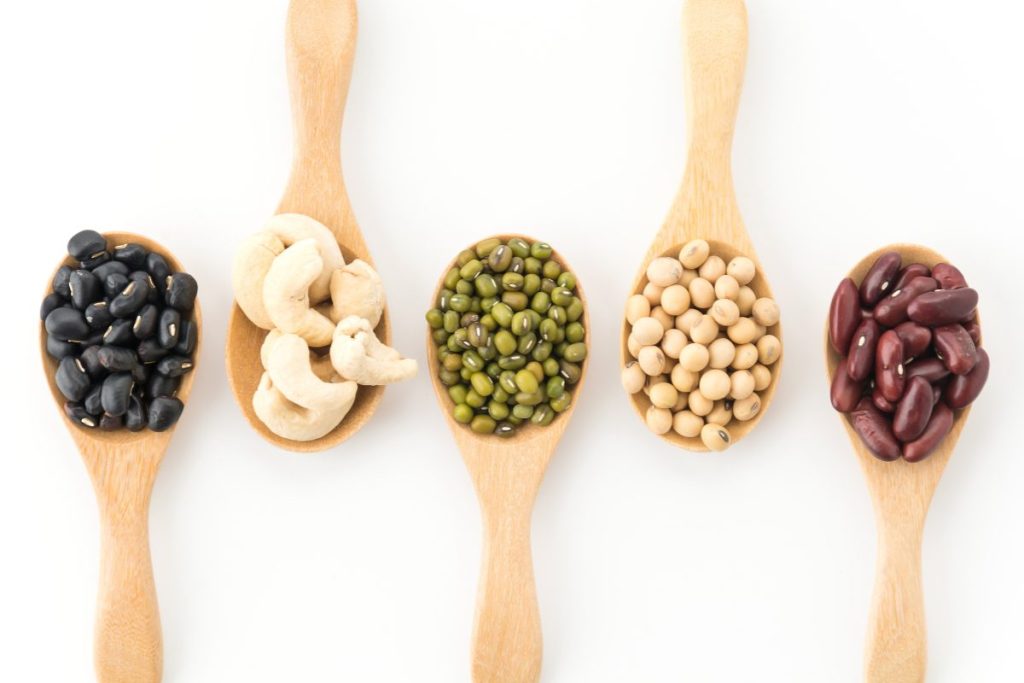
Legumes, which include beans, lentils, and peas, are a staple in many diets around the world—and for good reason. These super-nutritious plant foods are not only rich in protein and fiber but also a fantastic source of magnesium. Dried soybeans, in particular, are a standout, offering 250mg of magnesium per 100g serving.
Legumes are incredibly versatile and can be used in a wide variety of dishes. Whether you’re making a hearty bean soup, a flavorful lentil stew, or a fresh pea salad, incorporating legumes into your meals is a delicious and easy way to boost your magnesium intake.
In addition to their magnesium content, legumes are also packed with other essential nutrients like iron, potassium, and folate. They have been shown to support heart health, improve digestion, and help maintain stable blood sugar levels. By including legumes in your diet, you’re not only meeting your magnesium needs but also benefiting from a broad spectrum of other nutrients that contribute to overall health.
From soups and stews to salads and side dishes, legumes are a nutritious and satisfying way to keep your magnesium levels up while enjoying a variety of tasty meals.
4. Dark Chocolate

For those with a sweet tooth, dark chocolate offers a delightful way to boost your magnesium intake. With 228mg of magnesium per 100g serving, dark chocolate (70%+ cocoa) is not only a delicious treat but also a surprisingly good source of this essential mineral.
Dark chocolate is more than just a tasty indulgence; it’s also packed with powerful antioxidants, known as flavonoids, which have been shown to support heart health by improving blood flow and reducing blood pressure. Additionally, dark chocolate contains iron, copper, and manganese, making it a nutrient-dense addition to your diet.
Incorporating dark chocolate into your routine doesn’t have to be a guilty pleasure. You can enjoy it on its own, use it in baking, or add a few pieces to your yogurt or oatmeal for a rich, satisfying flavor. Just be mindful of portion sizes, as dark chocolate can be calorie-dense.
With its impressive magnesium content and numerous health benefits, dark chocolate is a treat you can feel good about enjoying, whether you’re savouring a square after dinner or adding it to your favorite recipes.
5. Whole Grains

Whole grains like quinoa, brown basmati rice, and oats are excellent sources of magnesium, making them a valuable addition to any diet focused on this essential mineral. Quinoa stands out with 210mg of magnesium per 100g serving, while brown basmati rice and oats provide 119mg and 114mg, respectively.
Incorporating whole grains into your meals is a simple and effective way to boost your magnesium intake while enjoying a range of other health benefits. Whole grains are packed with fiber, which supports digestive health and helps maintain steady blood sugar levels. They’re also rich in essential nutrients like B vitamins, iron, and antioxidants, making them a cornerstone of a balanced diet.
Whether you’re cooking up a hearty bowl of oatmeal for breakfast, preparing a quinoa salad for lunch, or serving brown rice as a side dish at dinner, whole grains offer versatility and nutrition in every bite. Their mild, nutty flavors make them easy to pair with a variety of ingredients, allowing you to create delicious and satisfying meals that support your overall health.
By making whole grains a regular part of your diet, you’re not only increasing your magnesium intake but also reaping the benefits of a nutrient-rich food that’s been linked to a lower risk of heart disease, improved digestion, and better weight management.
6. Leafy Greens

Leafy green vegetables are well-known for their rich nutrient profiles, and when it comes to magnesium, they certainly don’t disappoint. Just a handful of baby spinach (30g) provides nearly 40mg of magnesium, making it one of the top leafy greens for boosting your intake of this essential mineral. Other excellent sources include kale, Swiss chard, and mustard greens, each offering a wealth of magnesium along with other vital nutrients.
Incorporating leafy greens into your diet is easy and versatile. They can be enjoyed raw in salads, blended into smoothies, sautéed as a side dish, or added to soups and stews. Their mild flavors and tender textures make them a perfect addition to a wide variety of meals.
Beyond their magnesium content, leafy greens are packed with vitamins A, C, and K, as well as fiber and antioxidants. These nutrients contribute to numerous health benefits, including improved digestion, stronger immune function, and better bone health. By regularly consuming leafy greens, you’re supporting your overall well-being while also ensuring you’re getting enough magnesium to keep your body functioning smoothly.
Whether you’re tossing a handful of spinach into your morning smoothie or sautéing kale with garlic for a nutritious side dish, leafy greens are a simple yet powerful way to enhance your diet with magnesium and other essential nutrients.
7. Tempeh & Tofu
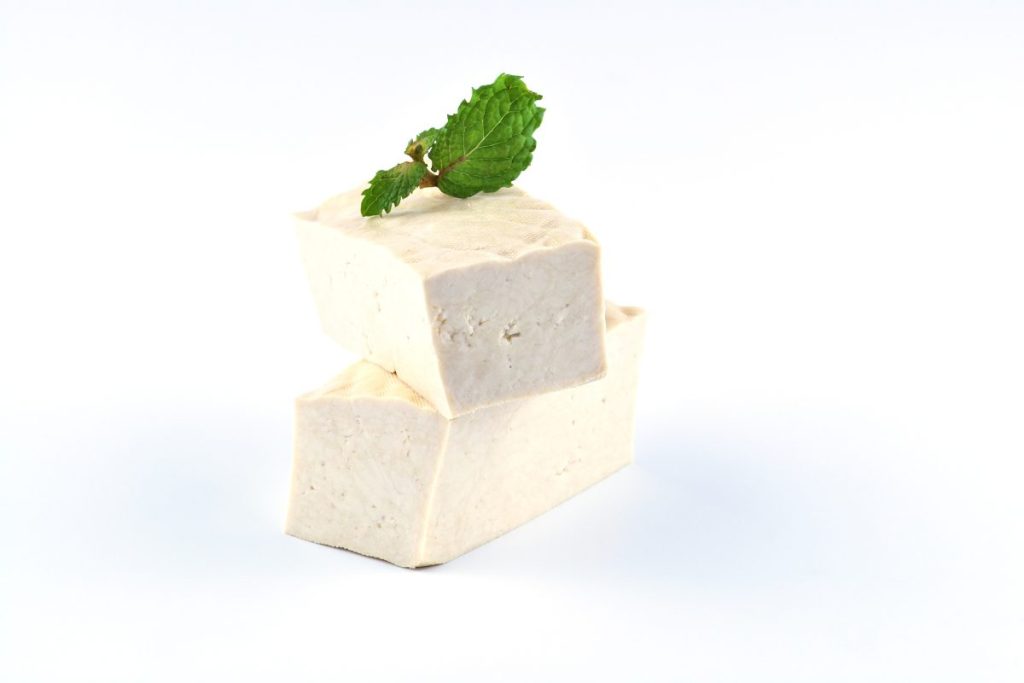
Tempeh and tofu, two popular soy-based meat alternatives, are not only rich in protein but also excellent sources of magnesium. Tempeh offers a solid 70mg of magnesium per 100g serving, while tofu provides 67mg, making them valuable additions to any diet focused on this essential mineral.
These versatile foods can be incorporated into a wide range of dishes, from stir-fries and salads to sandwiches and wraps. Tempeh, with its firm texture and nutty flavor, is perfect for grilling, baking, or sautéing, while tofu’s softer consistency makes it ideal for marinating, frying, or blending into smoothies and desserts.
In addition to their magnesium content, tempeh and tofu are packed with other essential nutrients, including calcium, iron, and isoflavones, which have been linked to various health benefits, such as improved heart health and bone strength. For those following a vegetarian or vegan diet, these soy-based foods are particularly important as they provide a complete source of protein along with their magnesium boost.
Whether you’re grilling tempeh for a savory main dish or adding tofu to your favorite stir-fry, these soy products offer a delicious and nutritious way to meet your magnesium needs while enjoying a variety of flavourful meals.
8. Fatty Fish

Fatty fish like salmon, mackerel, and halibut are not only celebrated for their rich omega-3 fatty acid content but also serve as a good source of magnesium. For example, a 100g serving of salmon provides about 34mg of magnesium, making it a nutritious option for those looking to boost their intake of this essential mineral.
Incorporating fatty fish into your diet is a delicious and versatile way to support your overall health. Whether grilled, baked, or poached, these fish can be the star of any meal, offering a wealth of nutrients in every bite. In addition to magnesium and omega-3s, fatty fish are also rich in high-quality protein, vitamin D, and selenium, all of which contribute to various aspects of health, including heart health, brain function, and bone strength.
For those who enjoy seafood, adding fatty fish to your weekly meal plan can be a tasty way to ensure you’re getting enough magnesium, along with other essential nutrients that promote well-being. Whether served as a main course with vegetables or added to salads and sandwiches, fatty fish provide a satisfying and nutrient-dense option for any diet.
9. Bananas

Bananas are not only one of the most popular fruits around the world but also a convenient and tasty way to boost your magnesium intake. A large banana (130g) contains approximately 35mg of magnesium, making it a great option for a quick and healthy snack.
Beyond their magnesium content, bananas are rich in potassium, which is essential for heart health and maintaining proper muscle function. They also provide a good amount of dietary fiber, which supports digestive health and helps keep you feeling full longer.
Bananas are incredibly versatile and can be enjoyed in many ways. Whether eaten on their own, sliced into cereal or yogurt, blended into smoothies, or used in baking, bananas are an easy addition to any meal or snack. Their natural sweetness and creamy texture make them a favorite for people of all ages.
Incorporating bananas into your diet is a simple and delicious way to ensure you’re getting a daily dose of magnesium, along with other essential nutrients that contribute to overall health and well-being.
10. Avocados

Avocados are widely loved for their creamy texture and rich, buttery flavor, but they’re also a great source of magnesium. A typical avocado (150g) provides about 40.5mg of magnesium, making it a nutritious addition to your daily diet.
In addition to magnesium, avocados are packed with heart-healthy monounsaturated fats, which can help lower bad cholesterol levels and reduce the risk of heart disease. They also contain a variety of essential nutrients, including potassium, vitamin K, vitamin E, and B vitamins, all of which support overall health and well-being.
Avocados are incredibly versatile and can be used in a variety of dishes. Whether spread on toast, sliced into salads, blended into smoothies, or mashed into guacamole, avocados add a rich, satisfying flavor and a nutritional boost to any meal.
Including avocados in your diet is a delicious and easy way to increase your magnesium intake, while also benefiting from their numerous other health-promoting properties.
Bonus Infographic of Magnesium-Rich Foods

Download high-resolution infographic
Final Thoughts on Boosting Your Magnesium Intake
Magnesium is an essential mineral that plays a vital role in numerous bodily functions, from energy production to muscle and nerve function. By incorporating magnesium-rich foods like nuts, seeds, leafy greens, and whole grains into your diet, you can naturally support your body’s needs and maintain optimal health.
However, it’s not always easy to get enough magnesium through diet alone, especially with today’s busy lifestyles. If you’re concerned that you might not be meeting your daily magnesium requirements, it could be worth considering a high-quality magnesium supplement to fill in the gaps.
Here at MAGSUPPS, we specialise in magnesium supplements for the UK market, be sure to read our in-depth comparison of the different types of magnesium to find the best one for you.
References:
- Al Alawi, A. M., Majoni, S. W., & Falhammar, H. (2018). Magnesium and Human Health: Perspectives and Research Directions. International Journal of Endocrinology, 2018, 9041694. https://doi.org/10.1155/2018/9041694 PMCID: PMC5926493 ↩︎
- Ayuk J, Gittoes NJL. How should hypomagnesaemia be investigated and treated? Clin Endocrinol (Oxf). 2011 Dec;75(6):743-6. https://doi.org/10.1111/j.1365-2265.2011.04092.x PMID: 21569071 ↩︎